
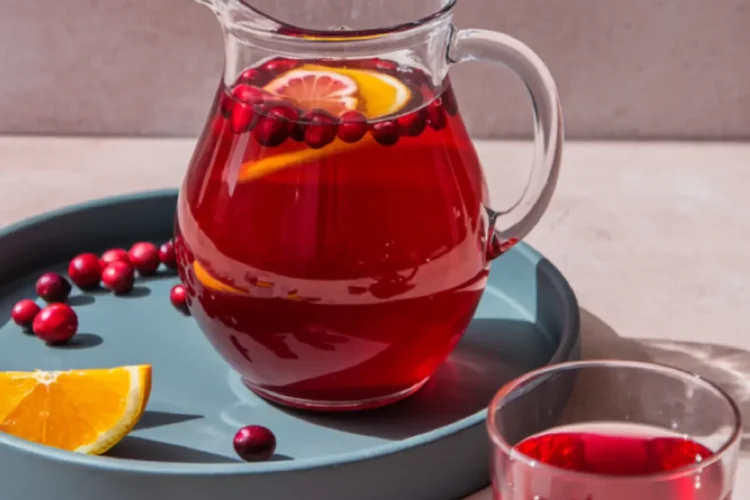
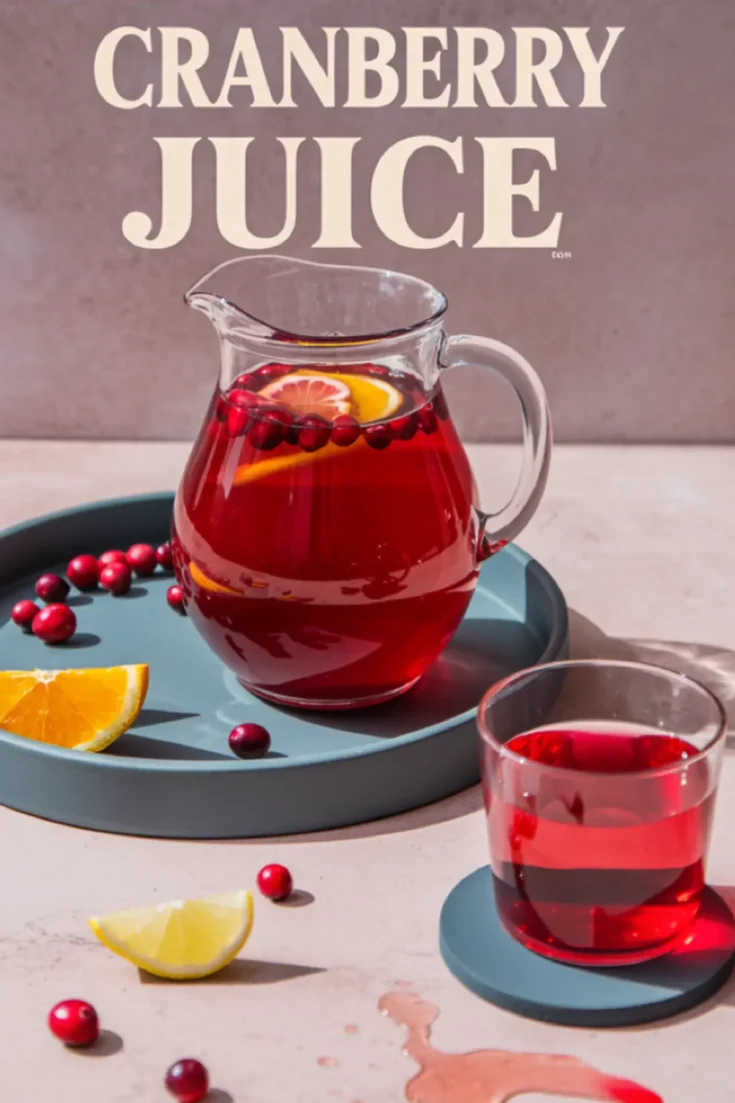
Homemade cranberry juice carries a comfort that store-bought bottles never seem to match. Fresh cranberries, simmered slowly, give a flavor both sharp and soothing. Over the years, I have written and re-written this recipe in my butter-smudged notebook, each version holding a small note about the season’s berries. Some years they came tart, others more mellow, but each time, the juice brought a brightness to the table that felt worth the wait.
I’ve always believed that making cranberry juice is as much about patience as it is about fruit. You won’t need complicated tools or long hours. Just a pot, a colander, and your trust that the berries will do their part once the water warms them. If you’ve never tried a homemade juice, this recipe is where I’d tell you to begin.

Ingredients Written With Care
Fresh cranberries give the juice its depth. Water brings the berries alive, carrying their flavor gently. Sugar softens the sharp edges, though you may use less if you enjoy a brisker sip. Lemon juice is optional, yet I’ve found it brightens the flavor like a ray of light through a kitchen window. Orange slices rest well on the side of the pitcher, offering a gentle sweetness without changing the core taste.
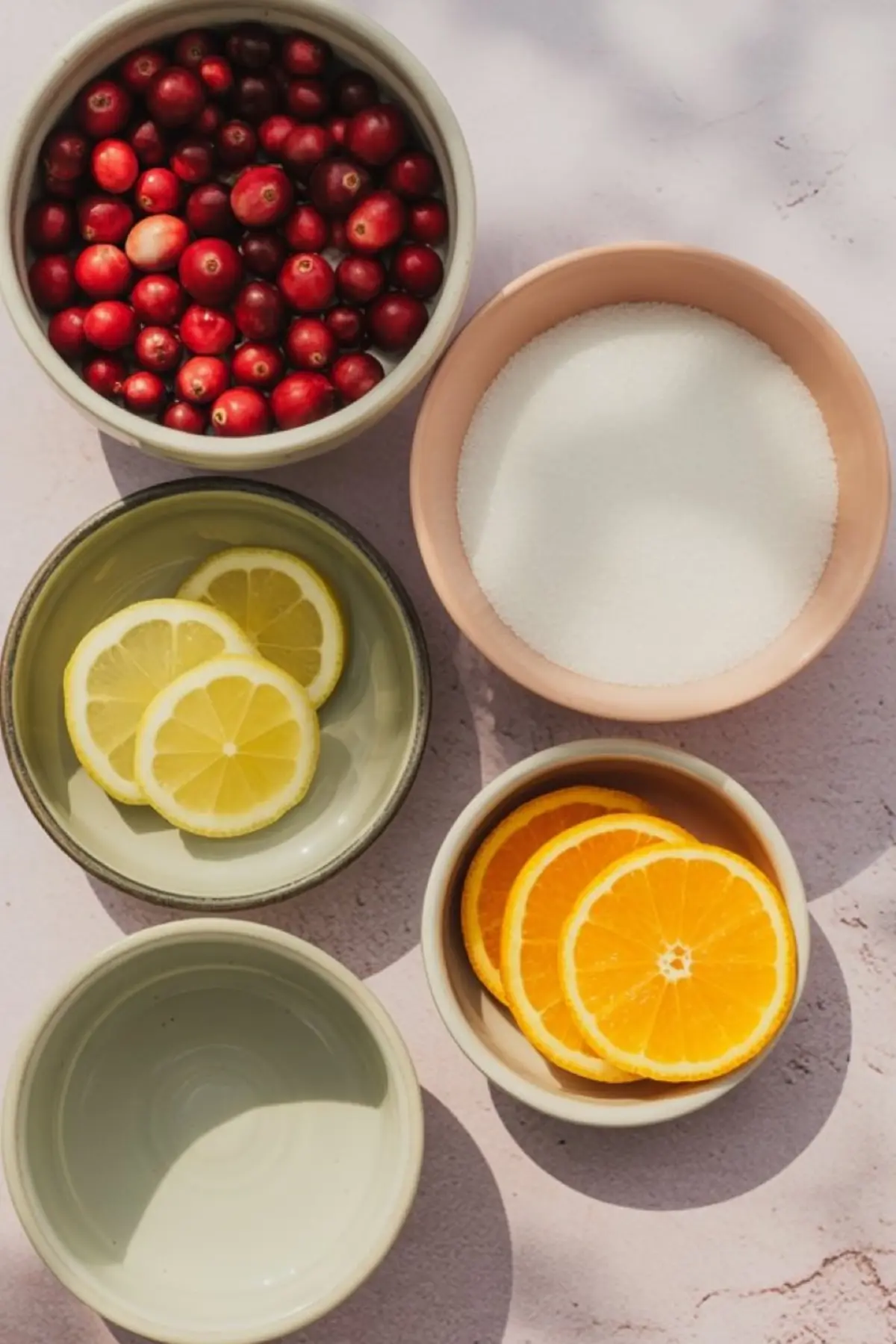
In my notes, I once compared lemon and orange. Lemon gives a lively spark that makes the tartness stand straighter. Orange, however, rounds the flavor, adding a quiet warmth. I’ve tried both. If you enjoy a fresh and crisp taste, lean toward lemon. If you prefer a softer finish, add the orange.
Preparing the Cranberries
Cranberries need a quick rinse. I like to pause here, letting the water run over them while I sort through with my hands, a habit I formed years ago while teaching Chloe how to bake pies. She always rushed through this step, eager to reach the sweetness that followed. I reminded her then, as I remind you now, slow hands make the best work.
Bringing the Pot to a Gentle Boil
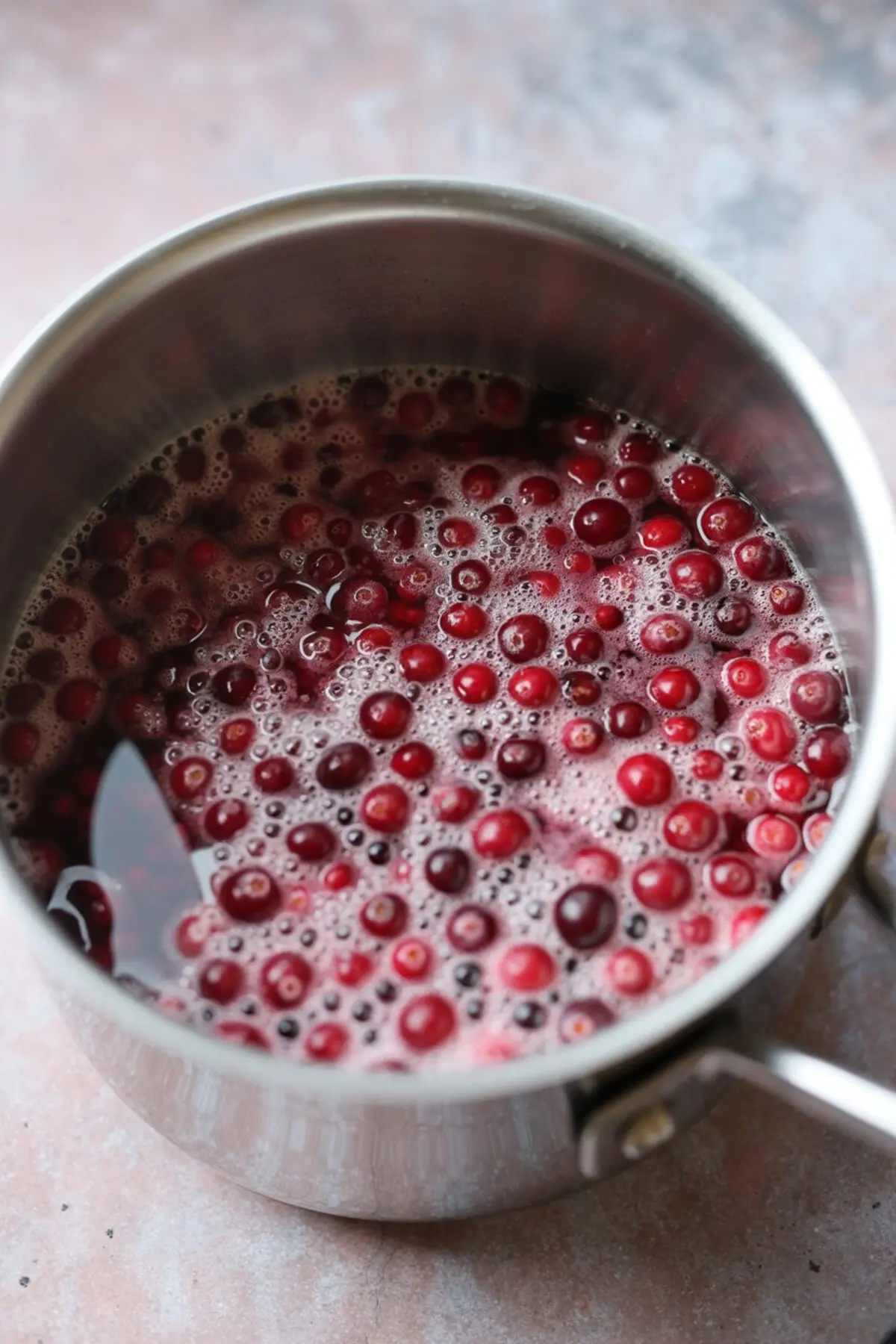
When the berries meet the water in the pot, they begin to soften and split. This is when the kitchen fills with a scent sharp and bright, one that always takes me back to holiday mornings. Ten minutes usually does it, though I never watch the clock too closely. Trust your eyes and ears here. If the berries crack and give, you’re ready.
Straining and Sweetening
Once the berries have done their part, the liquid needs straining. I press them lightly with the back of a spoon, careful not to push too hard. The juice should pour clear and smooth, free from pulp. Sugar dissolves best when the juice is still warm. Add a little, taste, and adjust as you go. My notebook holds many sugar notes, each scribbled beside the year. No two batches have ever asked for quite the same amount.
Adding Citrus Notes
A squeeze of lemon or a slice of orange adds its own charm. Lemon brings a crisp edge, orange a softer glow. I sometimes add both, though never more than a touch. If it cracks your rhythm trying to decide, don’t worry. Either choice will make a fine pitcher of juice.
Cooling and Serving
The juice rests best once cooled. An hour in the refrigerator gives it time to settle. Serve it over ice, perhaps with a slice of orange floating gently on top. It pairs well with a plate of cookies or a slice of Chocolate Cranberry Bark, which you can find here.
For holiday gatherings, I’ve poured this cranberry juice alongside a Cranberry Salad Recipe. Together, they bring the kind of color to a table that feels festive without trying too hard.
A Note From My Kitchen
I still remember the year Chloe asked me why I always kept cranberry juice in the fridge at Christmas. I told her it wasn’t only for the flavor but for the calm it seemed to bring. A glass of cold, bright cranberry juice feels like a pause in a busy season. I wrote that in my notes, too.
If you’d like to enjoy it as a lighter drink, add sparkling water and call it a cranberry mocktail. I’ve also used it in a Lavender Lemon Spritz when I wanted something special yet gentle. Cranberry juice works well in so many ways. Some even call a version of it Kitty Juice, though in my kitchen it always stayed simple.
Before You Go

I’d love for you to try this recipe and keep it in your own collection. Save it to your board so it’s there when you need it. If you have a memory or a question, share it below. I’ll be glad to read it.
Cranberry Juice Recipe
4 cups fresh cranberries
4 cups water
1 cup granulated sugar (adjust to taste)
1 tablespoon fresh lemon juice (optional)
Orange slices, for garnish (optional)
Ingredients
- 4 cups fresh cranberries
- 4 cups water
- 1 cup granulated sugar (adjust to taste)
- 1 tablespoon fresh lemon juice (optional)
- Orange slices, for garnish (optional)
Instructions
RINSE THE CRANBERRIES: Place the cranberries in a colander and rinse well under cool running water to remove any debris or stems.
BOIL THE CRANBERRIES: Add the cranberries and water to a large pot. Bring the mixture to a gentle boil over medium-high heat, then reduce to medium. Cook until most of the berries burst open, about 10 minutes.
STRAIN THE JUICE: Pour the cranberry mixture through a fine mesh strainer into a large bowl, pressing the berries gently with a spoon to extract as much liquid as possible. Discard the solids.
SWEETEN THE JUICE: Return the strained juice to the pot while still warm. Stir in the sugar until fully dissolved, tasting and adjusting the sweetness as desired.
ADD CITRUS: Stir in the lemon juice for brightness. If desired, add a few orange slices for extra flavor.
COOL AND SERVE: Let the juice cool to room temperature, then transfer it to a pitcher and refrigerate for at least 1 hour. Serve chilled over ice, garnished with orange slices if using.
Notes
For a lighter flavor, dilute the juice with cold water or sparkling water before serving. Adjust sugar according to preference, as cranberries vary in tartness.
Nutrition Information:
Yield:
6Serving Size:
1Amount Per Serving: Calories: 163Total Fat: 0gSaturated Fat: 0gTrans Fat: 0gUnsaturated Fat: 0gCholesterol: 0mgSodium: 8mgCarbohydrates: 42gFiber: 3gSugar: 37gProtein: 0g
