

I remember the first time I tasted a Marranito in a tiny panadería. My eyes focused on the pig-shaped treats lined up behind the glass, and my curiosity led me to try one. That first bite felt comforting, like I had stepped into someone’s family kitchen. I admired how the piloncillo gave a deep sweetness that reminded me of caramel. The texture felt soft, more like a cake than a cookie, and the aroma of cinnamon made me want a second helping right away.

Why Marranitos Deserve a Place in Your Kitchen
Marranitos, also known as Mexican Gingerbread Pigs, bring a simple sweetness and a gentle spice to any cookie lineup. The pig shape adds fun for children and adults alike. I find that the quick baking time and pliable dough help me satisfy unexpected dessert cravings without much waiting. A batch of these cookies can also serve as a conversation starter, especially if someone has never encountered this traditional favorite.
My Experience Experimenting With Ingredients
I once ran out of piloncillo and tried dark brown sugar as a substitute. The flavor resembled the original, though I still recommend tracking down piloncillo for a more authentic taste. Experimenting in my own kitchen showed me how important it is to create a syrup from piloncillo. That syrup helps the dough stay soft and workable. Sometimes I add a little extra cinnamon if I want a sharper spice profile. A friend told me she uses a pinch of nutmeg to add another note, though I usually stick to the classic blend.
Preparing the Piloncillo and Water

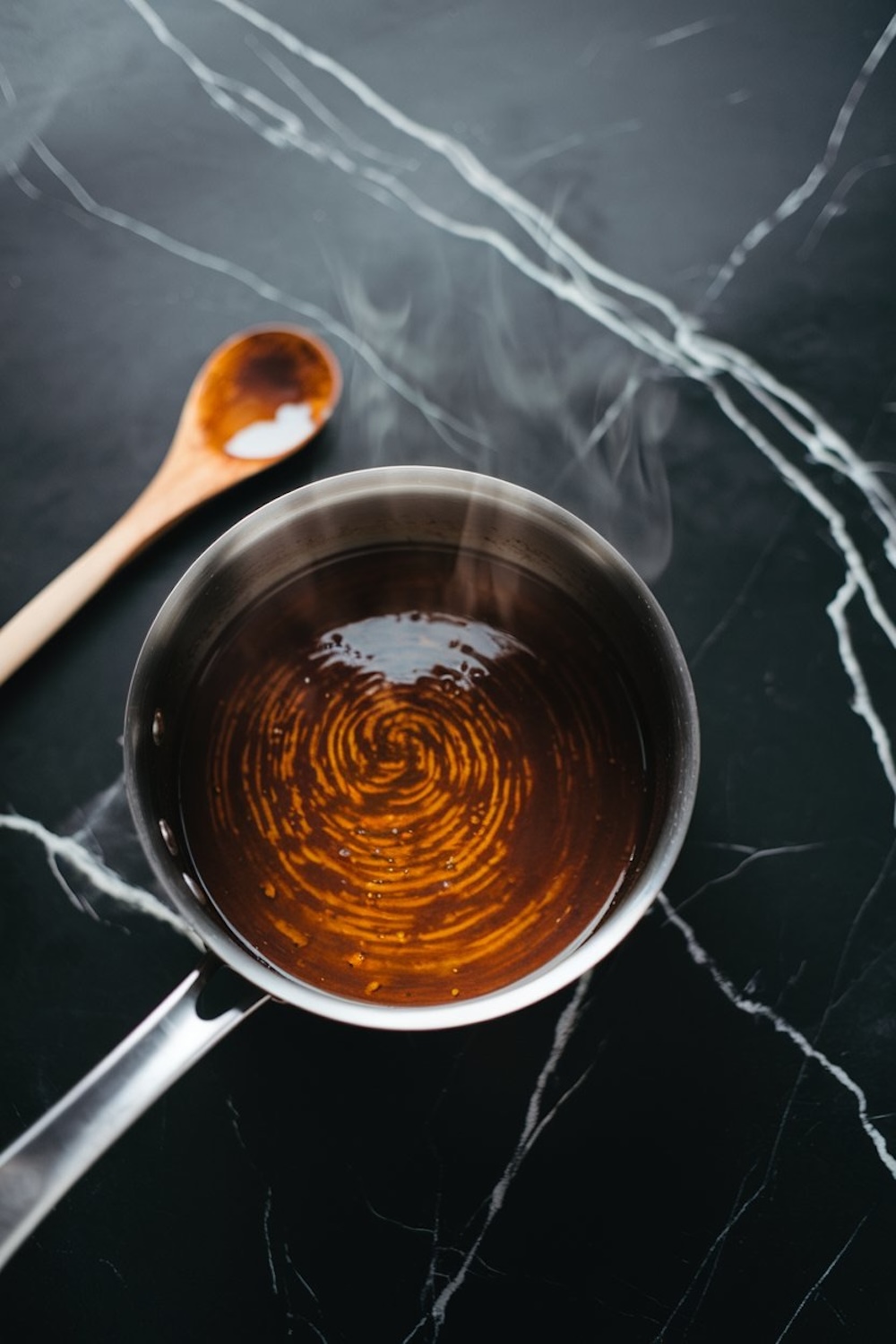
A small saucepan and low-to-medium heat accomplish the job. Piloncillo and water combine until the mixture forms a thick syrup, which then cools slightly. This step smells amazing, so I often linger by the stove. That gentle simmer locks me into the baking process and helps me focus on the rest of the recipe.
Mixing Butter, Eggs, and Vanilla

A large bowl and softened butter start the main process. I like to cream the butter by hand because I enjoy feeling the texture change from stiff to smooth. Eggs get added one by one, and then the vanilla flows in. Pouring the cooled piloncillo syrup into this mixture gives it a deep hue that hints at the flavors still to come.
Combining Dry Ingredients for A Spiced Boost
A second bowl holds the flour, baking powder, baking soda, cinnamon, ginger, cloves, and salt. I sift them to ensure an even mix. That combination of spices yields a mild fragrance, but it gets stronger once baked. The first time I did this step, I realized that each spice plays a role, so measuring them accurately matters.
Shaping a Soft, Pliable Dough
Gradual mixing of the dry ingredients into the wet ones delivers a dough that feels slightly sticky. I wrap it in plastic and refrigerate it for about half an hour. That quick chill lets the dough firm up. I sometimes do small tasks, like cleaning up or preheating the oven, while the dough rests. A little patience here makes rolling and shaping much easier.
Rolling Out and Cutting Pig Shapes
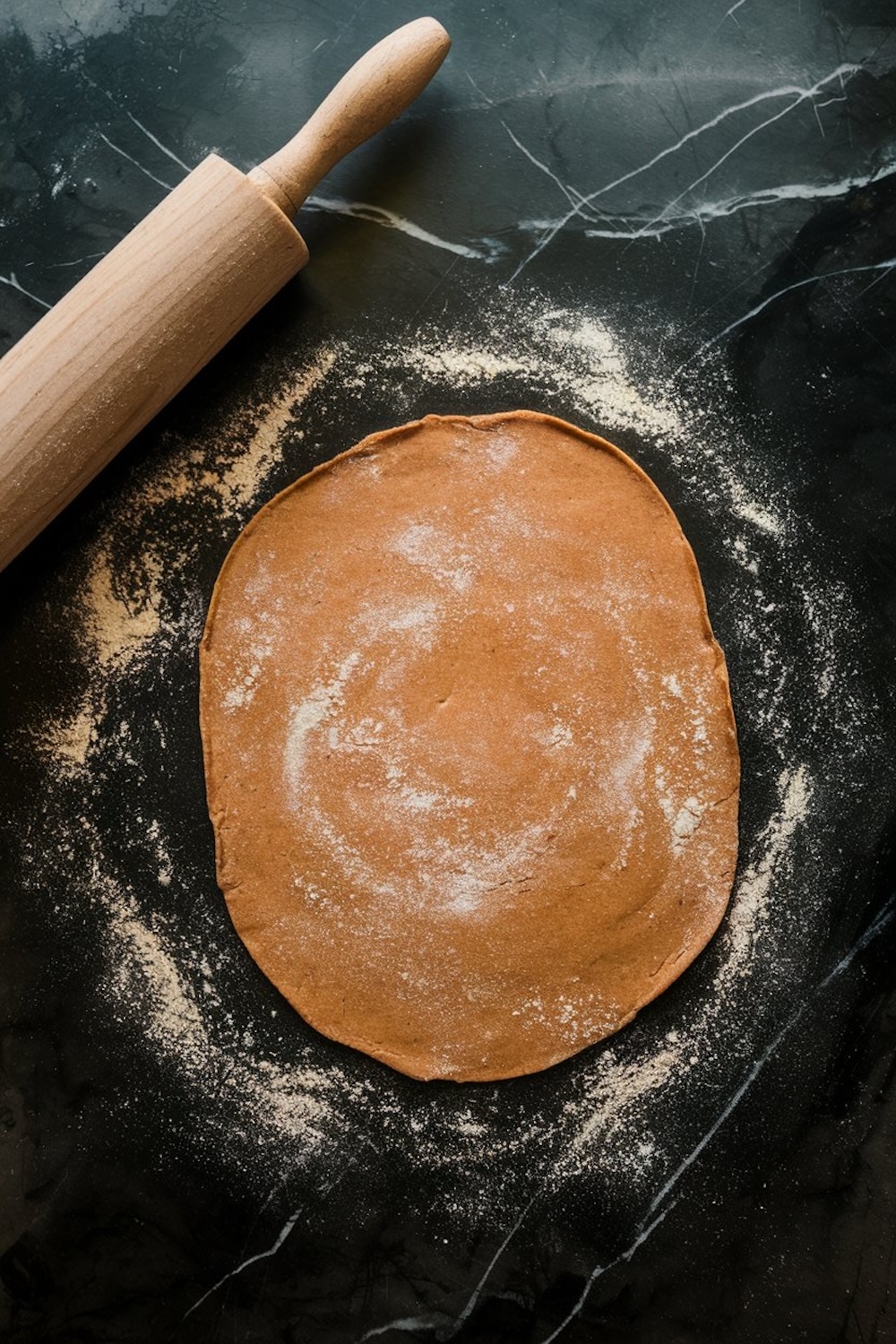
A floured countertop and a rolling pin help flatten the dough to around a quarter-inch thickness. My pig-shaped cutter then transforms the flat dough into cute silhouettes. This part feels a bit playful. I remember my niece giggling as she helped cut each pig, lining them up in neat rows. Each cookie needs a bit of space on the baking sheet so they can rise without pressing into each other.
Baking for Soft, Cake-Like Bites
The oven at 350°F greets the dough cutouts. About 12 to 15 minutes later, the edges start to show light browning. That visual cue means the cookies are ready, though I sometimes give them an extra minute if I want a firmer texture. My kitchen often fills with the scent of cinnamon and ginger, which makes everyone curious about what I’m making.
Serving Suggestions and Simple Variations
I like to enjoy Marranitos with coffee, though a tall glass of milk pairs well too. Friends have shared that they drizzle a little icing on top, but I usually skip that step since the piloncillo sweetness is enough for me. A thinner roll before baking produces a crispier cookie. A thicker roll yields a softer bite. My personal preference leans toward a middle ground that balances slight chewiness with gentle fluff.

Other Cookie Ideas You May Enjoy
I sometimes explore other flavor combinations that surprise my friends. Check out my Dill Pickle Cookies for a tangy twist. You might also find delight in my Cardamom Poppy Seed Cookies, which carry a gentle floral note. A chewy option comes from my Banana Oatmeal Cookies that provide a comforting snack with a touch of fruitiness.
Pin This Marranitos Recipe and Join the Conversation
I keep a dedicated board for Mexican sweets on Pinterest, and this recipe always sparks questions and comments. Save this to your favorite boards and leave a comment if you give it a try. Share how these pig-shaped cookies turn out in your home or let me know if you tried a twist on the spices. I enjoy reading personal takes that add new layers to this traditional treat.
Marranitos (Mexican Gingerbread Pigs) Recipe

Marranitos, also known as "little pigs," are soft, spiced cookies with a cake-like texture, sweetened with piloncillo, a traditional Mexican unrefined sugar. These cookies are shaped like pigs and are popular in panaderías throughout Mexico. Baking them at home fills the kitchen with warm, comforting aromas and creates a delicious connection to Mexican culinary traditions.
Ingredients
- 1 cup piloncillo (or ¾ cup packed dark brown sugar)
- ½ cup water
- 1 cup unsalted butter, softened
- 2 large eggs
- 1 teaspoon vanilla extract
- 3½ cups all-purpose flour
- 1 teaspoon baking powder
- ½ teaspoon baking soda
- 1 tablespoon ground cinnamon
- 1 teaspoon ground ginger
- ¼ teaspoon ground cloves
- ½ teaspoon salt
Instructions
Notes
Piloncillo adds a traditional molasses-like flavor, but dark brown sugar is a good substitute if piloncillo is unavailable.
For a crisper texture, roll the dough thinner and bake a minute or two longer.
Store cooled marranitos in an airtight container at room temperature for up to 5 days.
Nutrition Information:
Yield:
20Serving Size:
1Amount Per Serving: Calories: 170Total Fat: 10gSaturated Fat: 6gTrans Fat: 0gUnsaturated Fat: 3gCholesterol: 43mgSodium: 118mgCarbohydrates: 17gFiber: 1gSugar: 0gProtein: 3g

Hello,
The recipe looks great! Can you please share the link to where you purchased the pig cookie cutters. I want the correct size so the baking time will be right.
Thank you,
Eleanor
Hi Eleanor, we don’t have a specific cutter to link. Any pig cutter around 3 to 4 inches works with the 12–15 minute bake at ¼-inch thick. If yours is smaller, start checking at 10 minutes; the edges should be just lightly golden.